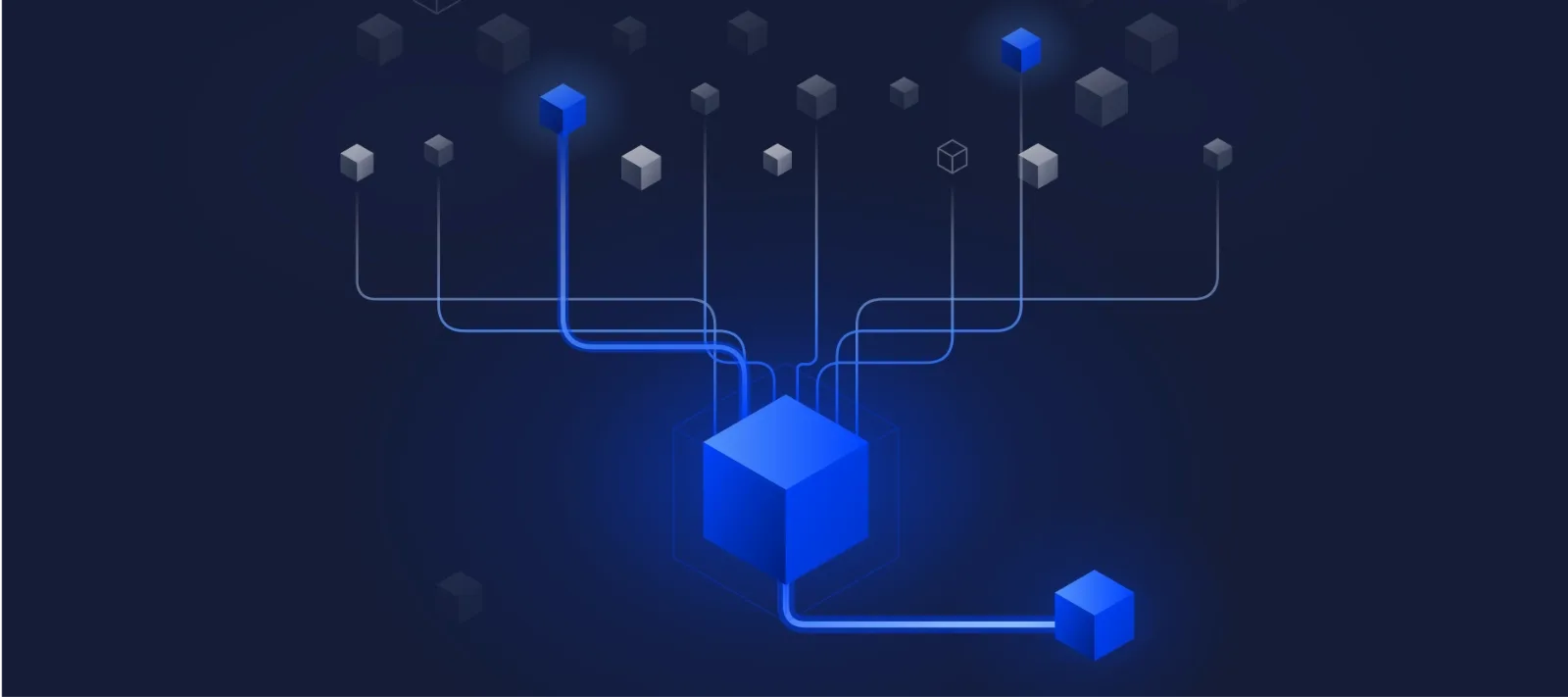
Yes, AI is cool. But first, let’s get the foundation right
AI is only as powerful as the network it runs on
Everyone wants to move on AI. So do we. The potential is real: faster decisions, leaner operations, products we couldn’t build before.
But I’ve spent my career building networks, and here’s the pattern I keep seeing: companies plan the AI initiative in detail and treat the network as a given. It isn’t. Underneath every data pipeline, every real-time inference call, every distributed workload sits a physical network of fiber, routers and peering points. And AI traffic is unforgiving on all of it. Training moves enormous volumes of data. Inference wants answers in milliseconds. Your model can be world-class, but if the round trip from your plant in Malaysia to your cloud region in Frankfurt is slow or unreliable, your application is slow or unreliable. That’s physics, not software.
The good news: building a foundation that can carry this isn’t magic. It comes down to four things.
Your model can be world-class, but if the round trip from your plant in Malaysia to your cloud region in Frankfurt is slow or unreliable, your application is slow or unreliable. That’s physics, not software.
Flexibility is the whole game
AI demand doesn’t follow a forecast. A team starts training it, and bandwidth needs jump tenfold. A new site comes online. A workload moves to a different cloud region.
Here’s the part that surprises people: in most organizations, the constraint isn’t budget or talent. It’s lead time. If upgrading a circuit takes a six-month procurement cycle, your AI initiative runs at the speed of your slowest contract. Networks you can scale in days (not quarters) are what separate the companies that move fast from the ones that announce they will.
Resilience isn't optional
Outages happen. The question isn’t whether your network will face pressure, it’s whether it absorbs it or amplifies it.
The textbook answer is diverse paths and redundant connections. The reality is messier, and this is where some technical understanding pays off. Two circuits from two different carriers can still run through the same duct, the same cable landing station, the same metro ring. Diverse on paper, one backhoe away from a joint failure in practice. The same goes for knowing whether a carrier actually owns the infrastructure in a region or is reselling someone else’s (on-net vs off-net). You only find this out by asking, and most contracts won’t volunteer it.
When your applications depend on real-time data, a few minutes of downtime isn’t an IT incident. It’s missed transactions, stalled production, and a conversation with customers you didn’t want to have.
You can't manage what you can't see
Internet underlays bring flexibility. They also bring sprawl: dozens of ISPs, each with their own portal, contract, and help desk number. When something breaks at 2am, the expensive part usually isn’t the fix. It’s the hour spent working out who to call.
The organizations that run global networks well have one thing in common: a single view of the whole estate, and one place to act on it. Visibility isn’t a nice-to-have dashboard. It’s the difference between managing your network and being managed by it.
So where does AI fit?
On top of all of this.
AI, like every business application before it, performs as well as the infrastructure beneath it: flexible, resilient, secure, visible. Skip one, and the cracks show, usually at the worst possible moment.
The race to AI is real. But the winners won’t be the companies with the most use cases. They’ll be the ones who built something solid enough to run them on.
GNX webinar: AI & the 100x Network
Let's explore why your bandwidth math isn't adding up anymore and what's next for enterprise networks.
We design and manage flexible, resilient global networks, all on a single automated platform. No scattered portals, no list of help desk numbers. Clear visibility and control, from the underlay up.
Interested? Get in touch.